
Gut health has become one of the most discussed topics in modern healthcare and for good reason. Research continues to show that the digestive system influences far more than digestion alone. It affects immunity, hormone balance, metabolism, mental wellbeing, inflammation and even the risk of chronic disease.
As healthcare professionals and patients become more aware of the importance of gut health, many are exploring approaches that focus on identifying and addressing the root causes of digestive dysfunction. This is one of the key principles taught in Functional Medicine Courses in Gurugram, where practitioners learn how gut health impacts nearly every aspect of overall wellness.
One of the most effective frameworks used in Functional Medicine for restoring digestive health is the 6R Gut Healing Process. Dr. Priti Nanda Sibal, a leading Functional Medicine expert, frequently uses this structured approach to help patients improve gut function and support long term health.
What Is the 6R Gut Healing Process?
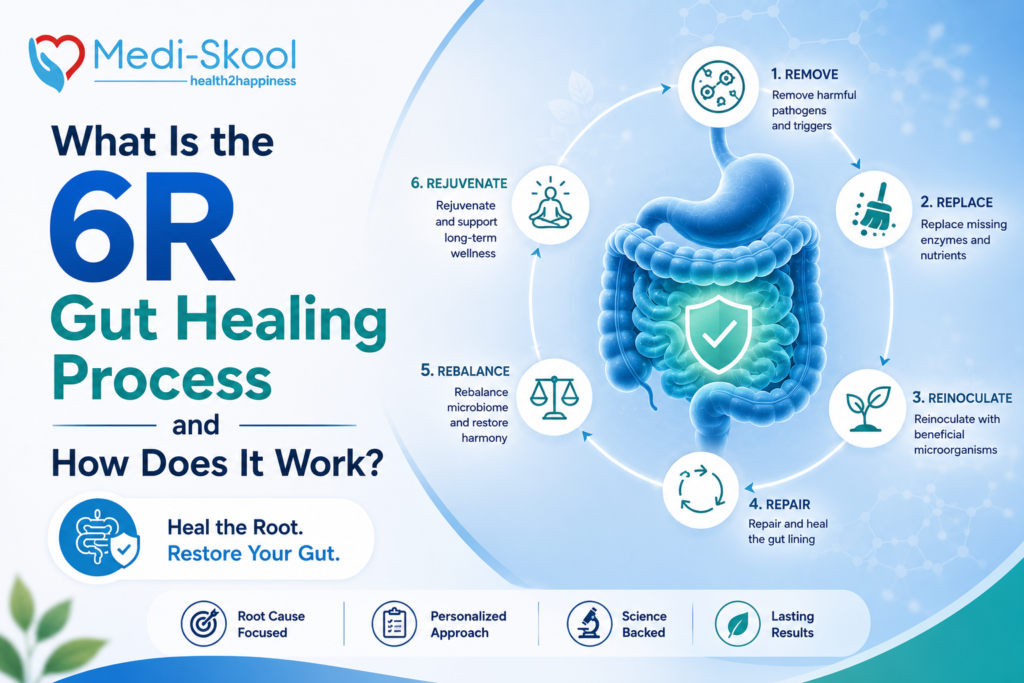
The 6R Gut Healing Process is a step by step Functional Medicine framework designed to identify and address factors that may be contributing to gut dysfunction.
Rather than focusing only on symptoms such as bloating, acidity, constipation or indigestion, the process aims to uncover and correct the underlying imbalances that may be affecting the digestive system.
The six stages are:
- Remove
- Replace
- Reinoculate
- Repair
- Rebalance
- Reconnect
Each step plays an important role in helping the gut heal and function more efficiently.
Why Is Gut Healing Important?
The digestive system contains trillions of microorganisms that make up the gut microbiome.
These microorganisms help:
- Digest food
- Absorb nutrients
- Support immunity
- Regulate inflammation
- Influence hormones
- Support mental health
When the gut microbiome becomes imbalanced, a condition known as dysbiosis can develop.
This imbalance may contribute to:
- Bloating
- Gas
- Food sensitivities
- Fatigue
- Skin problems
- Autoimmune conditions
- Diabetes
- Chronic inflammation
The 6R process helps address these imbalances through a systematic and personalized approach.
Step 1: Remove
The first stage focuses on identifying and removing factors that may be harming the gut.
These may include:
- Food sensitivities
- Excess sugar
- Processed foods
- Harmful bacteria
- Parasites
- Environmental toxins
- Chronic stress triggers
Without removing the factors causing irritation or inflammation, healing becomes much more difficult.
This step creates the foundation for the rest of the healing process.
Step 2: Replace
Once harmful triggers have been addressed, the next step is to support healthy digestion.
Some individuals may not produce adequate digestive enzymes, stomach acid or other substances necessary for proper nutrient breakdown.
The Replace phase focuses on improving digestion and nutrient absorption.
When food is properly digested, the body can more effectively access the vitamins, minerals and nutrients required for healing and optimal function.
Step 3: Reinoculate
The gut microbiome functions like an ecosystem.
For this ecosystem to thrive, beneficial microorganisms must be present in sufficient numbers.
The Reinoculate stage focuses on supporting healthy microbial diversity through:
- Probiotic rich foods
- Prebiotic fibers
- Gut friendly dietary strategies
A balanced microbiome supports digestion, immunity and overall wellbeing.
According to Dr. Priti Nanda Sibal, restoring microbial balance is often one of the most important steps in improving long term health outcomes.
Step 4: Repair
When inflammation persists for long periods, the lining of the digestive tract may become compromised.
This stage focuses on supporting the body’s natural healing processes and helping restore the integrity of the gut lining.
Repair strategies may involve nutritional support, lifestyle modifications and personalized interventions designed to reduce inflammation and encourage healing.
A healthy gut lining acts as a protective barrier between the digestive tract and the rest of the body.
Step 5: Rebalance
Gut health is influenced by much more than food alone.
Factors such as stress, sleep, movement,and daily habits all affect digestive function.
The Rebalance phase focuses on optimizing lifestyle factors that may be contributing to gut dysfunction.
This includes:
- Stress management
- Improved sleep habits
- Regular physical activity
- Healthy daily routines
Many people are surprised to discover how strongly lifestyle factors influence digestive health.
Functional Medicine recognizes that lasting healing requires balance across multiple areas of life.
Step 6: Reconnect
The final stage focuses on building a sustainable relationship with health and wellbeing.
Rather than viewing healing as a short term project, patients learn how to maintain long term habits that support gut health.
Reconnect encourages individuals to:
- Develop awareness of their body’s signals
- Make informed food choices
- Create sustainable wellness habits
- Prioritize self care
This step helps ensure that progress continues long after symptoms improve.
Why the 6R Process Is Different
Many traditional approaches focus primarily on symptom relief.
While symptom management can provide temporary comfort, it may not address the underlying factors contributing to digestive problems.
The 6R Gut Healing Process is different because it follows a root cause approach.
Instead of asking how to suppress symptoms, Functional Medicine asks why those symptoms developed in the first place.
This allows practitioners like Dr. Priti Nanda Sibal to create more personalized and effective strategies for improving gut health.
Who Can Benefit from the 6R Gut Healing Process?
The 6R framework may be beneficial for individuals experiencing:
- Digestive discomfort
- Bloating
- Food sensitivities
- Irritable bowel symptoms
- Chronic inflammation
- Autoimmune concerns
- Metabolic health challenges
- Fatigue and low energy
Because every individual is unique, the process is typically tailored to each person’s specific health history and needs.
This personalized approach is one reason Functional Medicine continues to gain recognition among healthcare professionals worldwide.
Conclusion
The 6R Gut Healing Process is a structured Functional Medicine framework designed to restore digestive health by addressing root causes rather than simply managing symptoms.
Through the six stages Remove, Replace, Reinoculate, Repair, Rebalance and Reconnect patients can work toward restoring microbial balance, improving digestion, reducing inflammation and supporting overall wellbeing.
Dr. Priti Nanda Sibal uses this proven approach to help individuals understand the deeper connections between gut health and long term wellness. As awareness of Functional Medicine continues to grow, many practitioners enrolling in Functional Medicine Courses in Gurugram are learning how the 6R process can become a powerful tool for improving patient outcomes and promoting lasting health.
FAQs
1. What is the 6R Gut Healing Process?
The 6R Gut Healing Process is a Functional Medicine framework that includes Remove, Replace, Reinoculate, Repair, Rebalance and Reconnect to support gut restoration and overall health.
2. Why is the 6R process important for gut health?
The process helps identify and address root causes of digestive dysfunction while supporting microbiome balance, digestion and long term wellness.
3. How does Dr. Priti Nanda Sibal use the 6R Gut Healing Process?
Dr. Priti Nanda Sibal uses the 6R framework as part of a personalized Functional Medicine approach to help patients restore gut health and improve overall wellbeing.
4. Who can benefit from the 6R Gut Healing Process?
Individuals experiencing digestive issues, food sensitivities, chronic inflammation, autoimmune concerns, metabolic challenges and low energy may benefit from this approach.
5. What can healthcare professionals learn through Functional Medicine Courses in Gurugram?
Functional Medicine Courses in Gurugram help practitioners understand root cause medicine, gut health restoration, microbiome balance and personalized treatment strategies for better patient outcomes.