
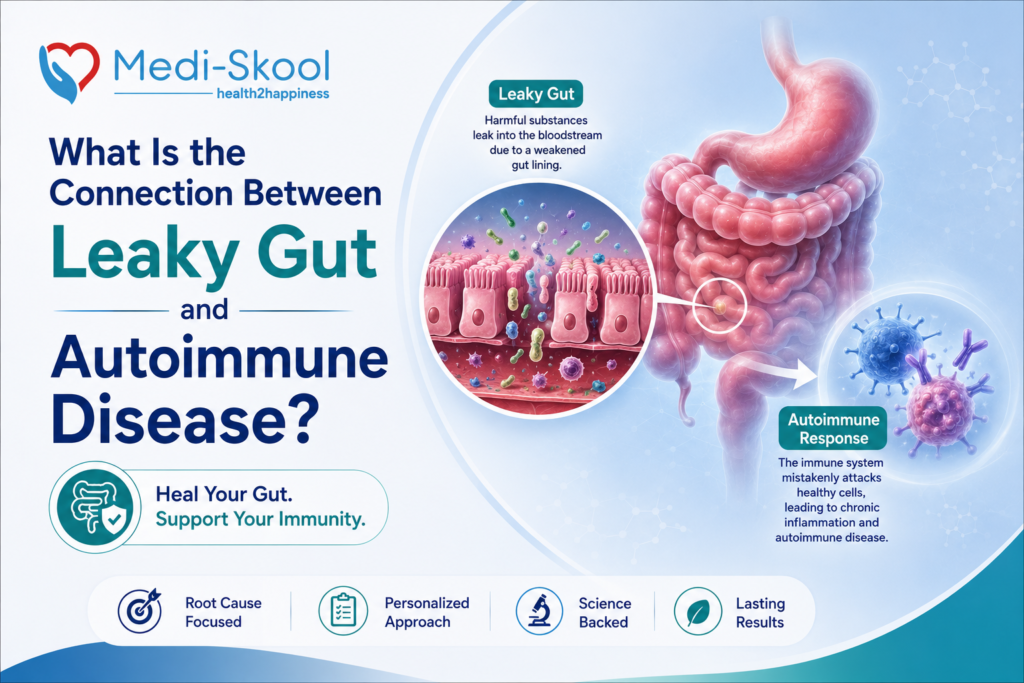
Autoimmune diseases are becoming increasingly common worldwide. Conditions such as rheumatoid arthritis, Hashimoto’s thyroiditis, lupus, psoriasis, celiac disease and inflammatory bowel disease affect millions of people and can have a significant impact on daily life. While genetics may play a role in the development of autoimmune conditions, researchers now recognize that lifestyle, environmental factors and gut health may also influence immune function.
One of the most discussed topics in Functional Medicine today is the connection between leaky gut and autoimmune disease. As understanding of the gut microbiome continues to grow, healthcare professionals and patients alike are beginning to recognize how digestive health can affect the immune system.
Dr. Priti Nanda Sibal, a Functional Medicine expert with more than three decades of experience, often emphasizes the importance of looking beyond symptoms and identifying the root causes that may contribute to chronic health conditions. When it comes to autoimmune disease, gut health is frequently an important part of the conversation.
What Is Leaky Gut?
The digestive tract is lined with a protective barrier that acts as a gatekeeper between the contents of the intestines and the bloodstream.
This barrier allows beneficial nutrients, vitamins, minerals and water to pass through while preventing harmful substances from entering the body.
When this protective lining becomes weakened or damaged, tiny gaps may develop between the intestinal cells. This condition is commonly referred to as leaky gut or increased intestinal permeability.
As a result, substances that would normally remain inside the digestive tract may pass into the bloodstream, including:
- Undigested food particles
- Toxins
- Harmful bacteria
- Microbial byproducts
The immune system may recognize these substances as foreign invaders and respond by triggering inflammation.
Understanding Autoimmune Disease
The immune system is designed to protect the body from harmful pathogens such as bacteria and viruses.
In autoimmune diseases, however, the immune system mistakenly attacks the body’s own tissues.
This can lead to chronic inflammation and damage to specific organs, tissues or systems within the body.
Examples of autoimmune conditions include:
- Rheumatoid arthritis
- Hashimoto’s thyroiditis
- Lupus
- Psoriasis
- Multiple sclerosis
- Celiac disease
- Inflammatory bowel disease
Although each condition affects the body differently, they all involve an abnormal immune response.
The Gut-Immune System Connection
One of the reasons gut health is so important is because a large portion of the immune system is located within the digestive tract.
The gut helps regulate immune activity by:
- Identifying harmful microorganisms
- Supporting beneficial bacteria
- Regulating inflammatory responses
- Maintaining immune balance
When the digestive system is functioning properly, it helps support healthy immune regulation.
However, when gut health becomes compromised, immune system activity may also be affected.
This is one reason why many experts believe the gut plays a significant role in autoimmune conditions.
How Leaky Gut May Influence Autoimmune Disease
Researchers continue to investigate the exact relationship between leaky gut and autoimmune disease. While autoimmune diseases are complex and influenced by multiple factors, growing evidence suggests that intestinal permeability may contribute to immune system activation.
When unwanted substances pass through a weakened intestinal barrier, the immune system may respond by producing inflammatory reactions.
Over time, repeated immune activation may contribute to:
- Chronic inflammation
- Increased immune sensitivity
- Immune system dysregulation
- Greater susceptibility to autoimmune activity
This does not mean that leaky gut directly causes autoimmune disease in every case. However, it may be one important factor involved in the overall process.
What Causes Leaky Gut?
Several factors may contribute to damage or dysfunction within the intestinal barrier.
Common contributors include:
- Chronic stress
- Poor dietary habits
- Excessive sugar consumption
- Processed foods
- Alcohol overuse
- Frequent antibiotic use
- Environmental toxins
- Chronic inflammation
- Gut microbiome imbalances
Over time, these factors may affect digestive health and increase intestinal permeability.
The Role of the Gut Microbiome
The gut microbiome consists of trillions of microorganisms that live within the digestive tract.
These microorganisms perform many important functions, including:
- Supporting digestion
- Producing beneficial compounds
- Regulating inflammation
- Supporting immune health
- Maintaining gut barrier integrity
When microbial diversity is reduced, the gut may become more vulnerable to dysfunction and inflammation.
This is why many approaches involving Gut Microbiome Treatment in Gurugram focus on restoring balance within the digestive system to support overall health.
Symptoms That May Be Associated With Leaky Gut
Because the gut affects multiple systems throughout the body, symptoms may extend beyond digestion.
Some individuals experiencing gut dysfunction may report:
- Bloating
- Gas
- Food sensitivities
- Fatigue
- Brain fog
- Skin issues
- Joint discomfort
- Digestive irregularities
While these symptoms do not necessarily confirm leaky gut, they may indicate that further evaluation of digestive health is needed.
How Functional Medicine Approaches Leaky Gut
Functional Medicine focuses on identifying and addressing the underlying factors that may be contributing to gut dysfunction.
Rather than concentrating solely on symptom management, practitioners investigate:
- Dietary triggers
- Lifestyle habits
- Stress levels
- Microbiome imbalances
- Inflammatory influences
- Environmental factors
Dr. Priti Nanda Sibal uses a personalized approach that considers each individual’s unique health history and contributing factors.
This allows for targeted strategies that support long term health rather than temporary symptom relief.
The Importance of the 6R Gut Healing Process
One of the most effective frameworks used in Functional Medicine for digestive restoration is the 6R Gut Healing Process.
The six stages include:
Remove
Eliminating factors that may be irritating the digestive system.
Replace
Supporting proper digestion and nutrient absorption.
Reinoculate
Encouraging healthy microbial diversity within the gut.
Repair
Supporting the health of the intestinal lining.
Rebalance
Optimizing lifestyle factors such as stress management, sleep and movement.
Reconnect
Creating sustainable habits that support long term wellbeing.
The 6R Gut Healing Process provides a structured and systematic approach to improving digestive health and supporting immune balance.
Why Personalized Gut Health Matters
Every individual experiences autoimmune disease differently.
Genetics, lifestyle, environmental exposures, nutrition and digestive health all influence the body’s immune responses.
This is why personalized care is so important.
Many individuals seeking Leaky Gut Syndrome Treatment in Gurugram are looking for a root cause approach that focuses on understanding and addressing the factors contributing to gut dysfunction rather than simply managing symptoms.
Conclusion
The connection between leaky gut and autoimmune disease continues to be an important area of study within Functional Medicine. While autoimmune conditions are complex and involve many contributing factors, growing evidence suggests that gut health may play a significant role in immune regulation and chronic inflammation.
Dr. Priti Nanda Sibal emphasizes the importance of restoring digestive balance through personalized strategies that support immune health and overall wellbeing. Through approaches such as Gut Health Treatment in Gurugram, Gut Microbiome Treatment in Gurugram, and the 6R Gut Healing Process, individuals can work toward improving digestive function and supporting long term health.
FAQs
1. What is leaky gut?
Leaky gut, also known as increased intestinal permeability, occurs when the intestinal barrier becomes weakened, allowing certain substances to pass into the bloodstream more easily.
2. How is leaky gut connected to autoimmune disease?
Researchers believe that increased intestinal permeability may contribute to immune system activation and chronic inflammation, which may influence autoimmune activity in susceptible individuals.
3. What are common causes of leaky gut?
Common contributors include poor diet, chronic stress, microbiome imbalances, environmental toxins, alcohol overuse and frequent antibiotic use.
4. What is the 6R Gut Healing Process?
The 6R Gut Healing Process is a Functional Medicine framework that includes Remove, Replace, Reinoculate, Repair, Rebalance and Reconnect to support digestive healing and overall wellness.
5. How can Dr. Priti Nanda Sibal help with gut health concerns?
Dr. Priti Nanda Sibal uses a personalized Functional Medicine approach that focuses on identifying root causes, restoring gut balance and supporting long term health through evidence based strategies.